
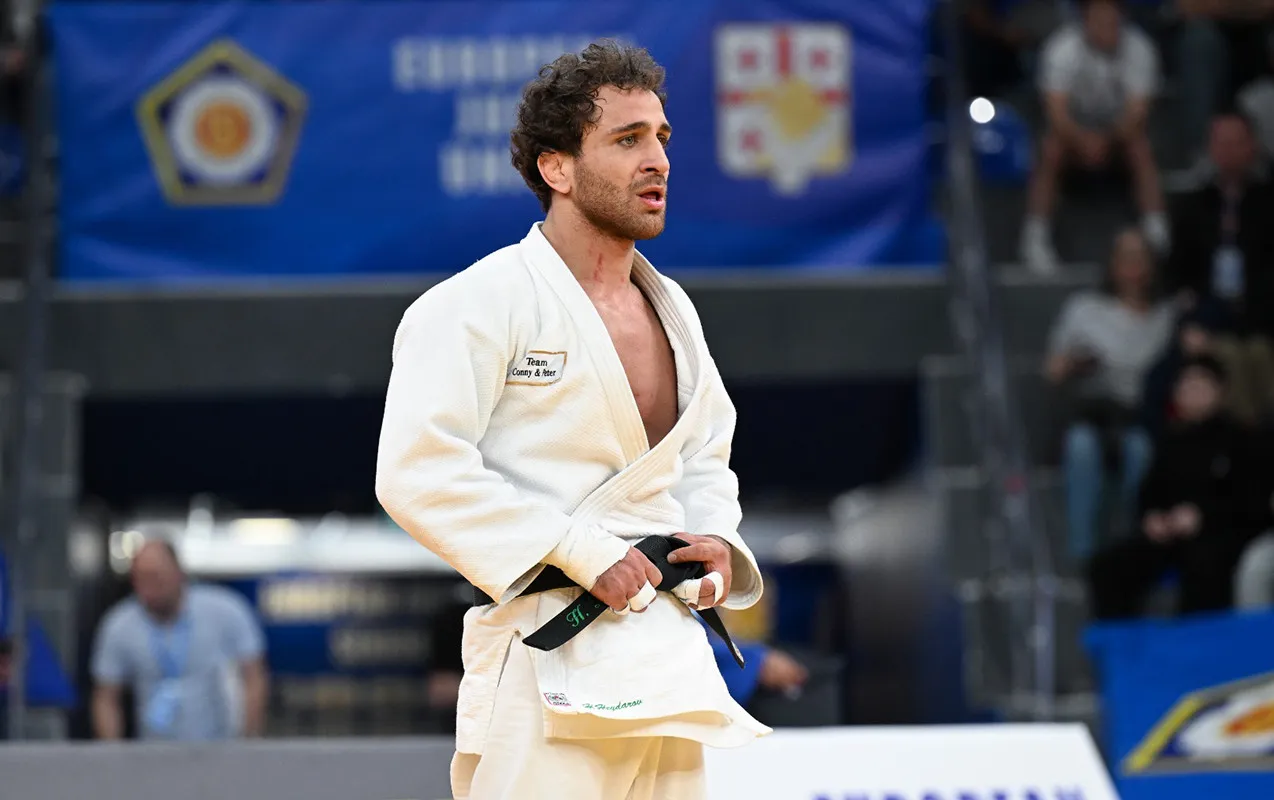
In elite sports, the most perilous moment is when you have conquered all desired peaks. Hidayat Heydarov has written one of the brightest chapters in Azerbaijani judo history by uniting European, world, and Olympic championships within just one year. However, his recent performance at the World Championships, where he exited after only two rounds, revealed that his greatest rival is no longer the opposing judoka, but his own willpower.
The early comfort brought by victories was evident in Hidayat's movements and even his expressions. The previous Heydarov was a fighter ready to 'tear apart' his opponent with every technique and grip, with a glint of victory in his eyes. In his last match, however, there was an athlete on the tatami who appeared merely to fulfil a formality, lacking enthusiasm and psychologically completely drained.
Hidayat's current situation is the toughest test faced by great champions:
Finding a new goal after winning all significant titles... The thought of 'I have already achieved everything' can unconsciously lower the quality of an athlete's training and focus.
The promotional shoots, events, and unbearable media attention that follow victories distract the athlete from their true work – grinding it out in the gym.
Unfortunately, the Azerbaijan Judo Federation has also been powerless in this process; the organisation's influence has diminished in the shadow of the 29-year-old athlete's ego. Who knows, perhaps they have already lost hope in Heydarov. As the saying goes, 'beauty cannot be forced.' Perhaps the federation's frustration mirrors Hidayat's discipline – it simply does not exist.
He must understand that even as an Olympic champion, a year of victories does not guarantee his name a place among the eternal legends. True skill lies not in reaching the summit, but in maintaining one's position there.